DIVE DEEPER
iPod Stands
For Stands:


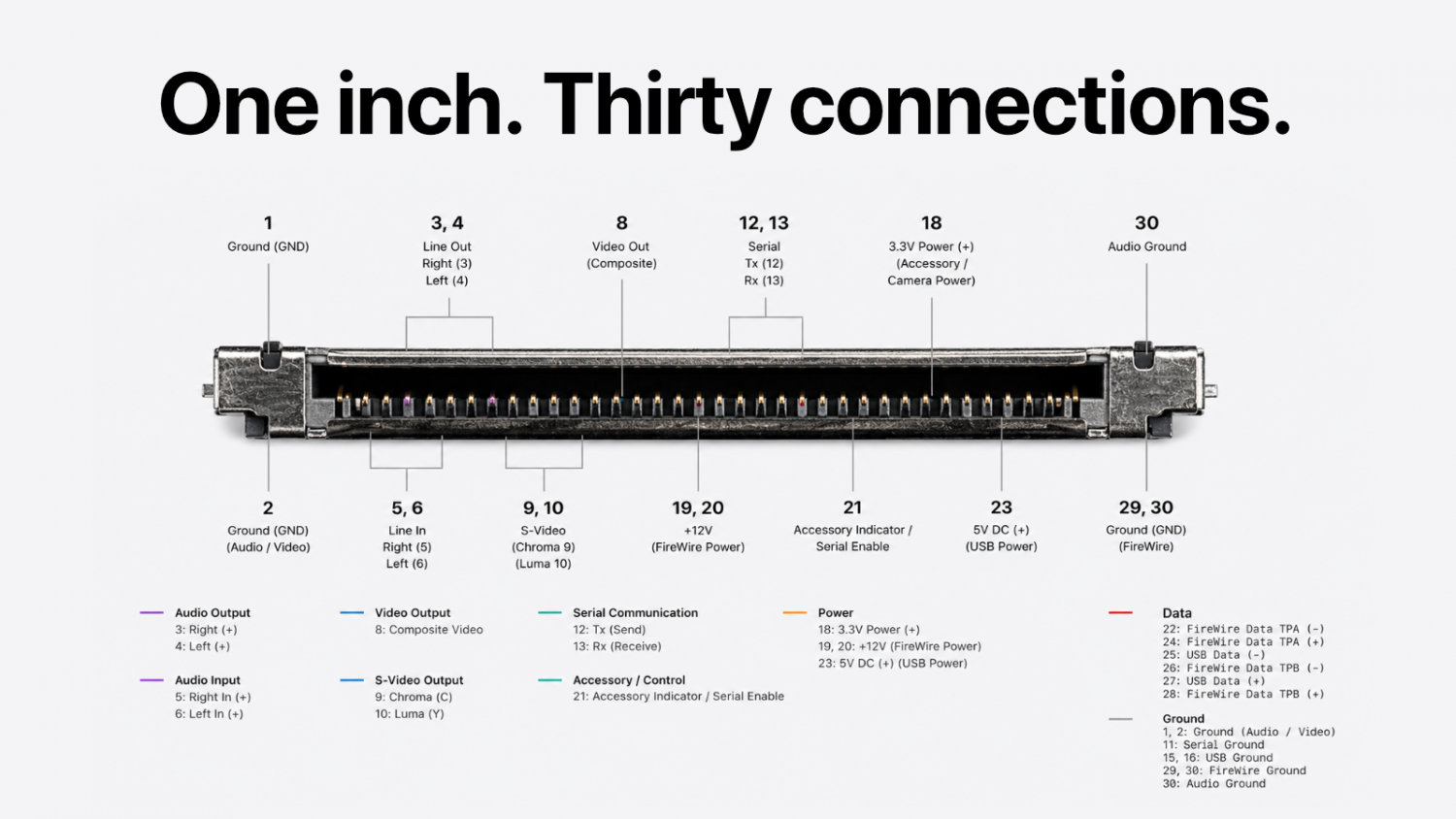
APPLE HISTORY
The Apple 30-pin connector wasn’t just for charging. Those thirty tiny contacts handled syncing, power, audio, video, remote controls, speaker docks, and more. It was one of Apple’s most ambitious connectors.
Twenty years later, preserving it makes sense. A stand keeps your iPod visible and ready to enjoy without unnecessary trips in and out of a dock or charging cable.
DESIGN DETAIL
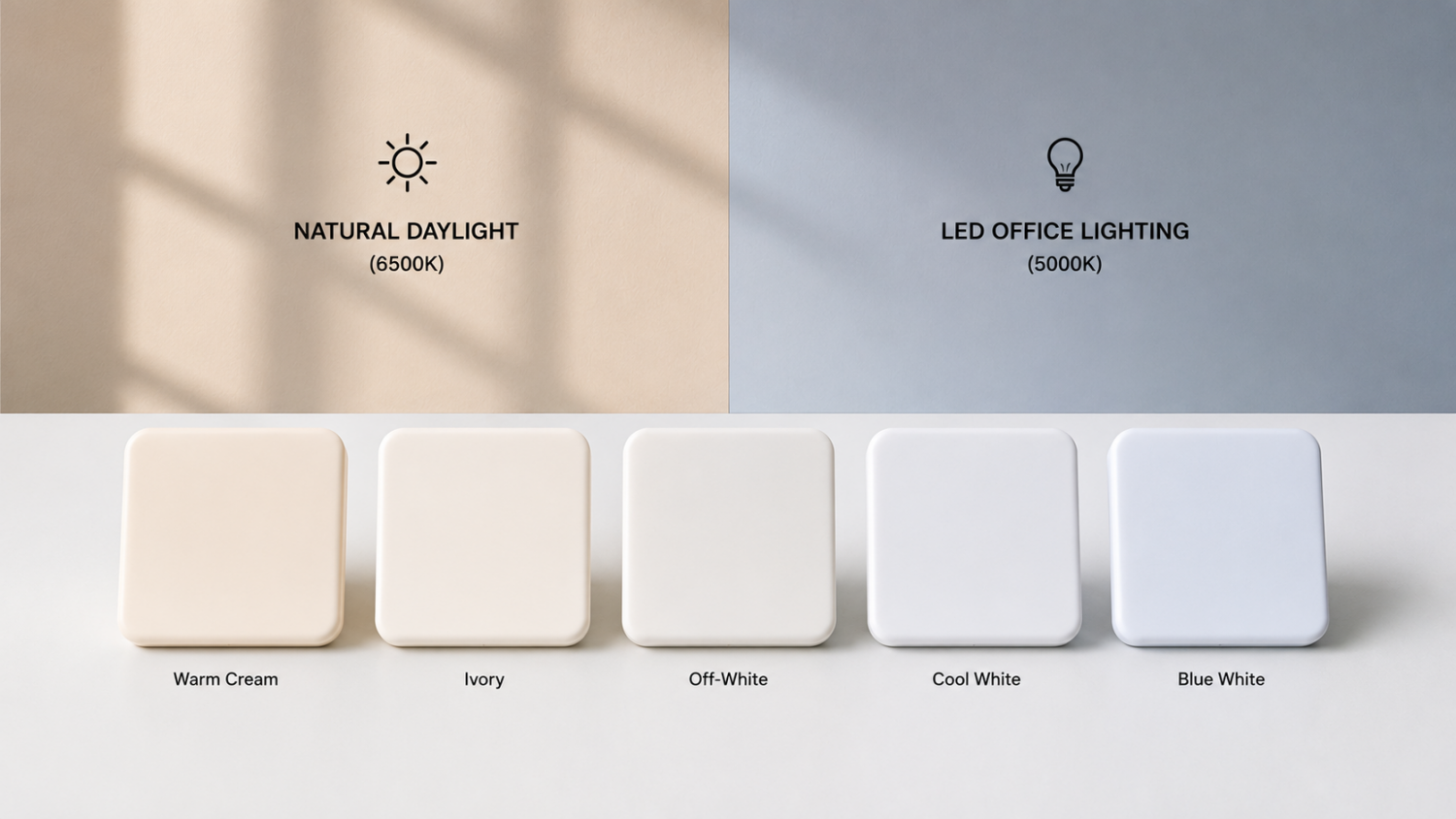
At one point I was convinced Amazon was going to flag my account. Ten returns. Eleven spools of filament. And somehow I still hadn’t found the right white.
Some looked yellow in daylight. Others looked blue under LED office lighting. A few changed so dramatically between the two that they seemed like different colors altogether.
Finally I found one that matched and stayed balanced wherever it was displayed. And when your goal is showcasing an iconic Apple product, that matters.
DESIGN DETAIL
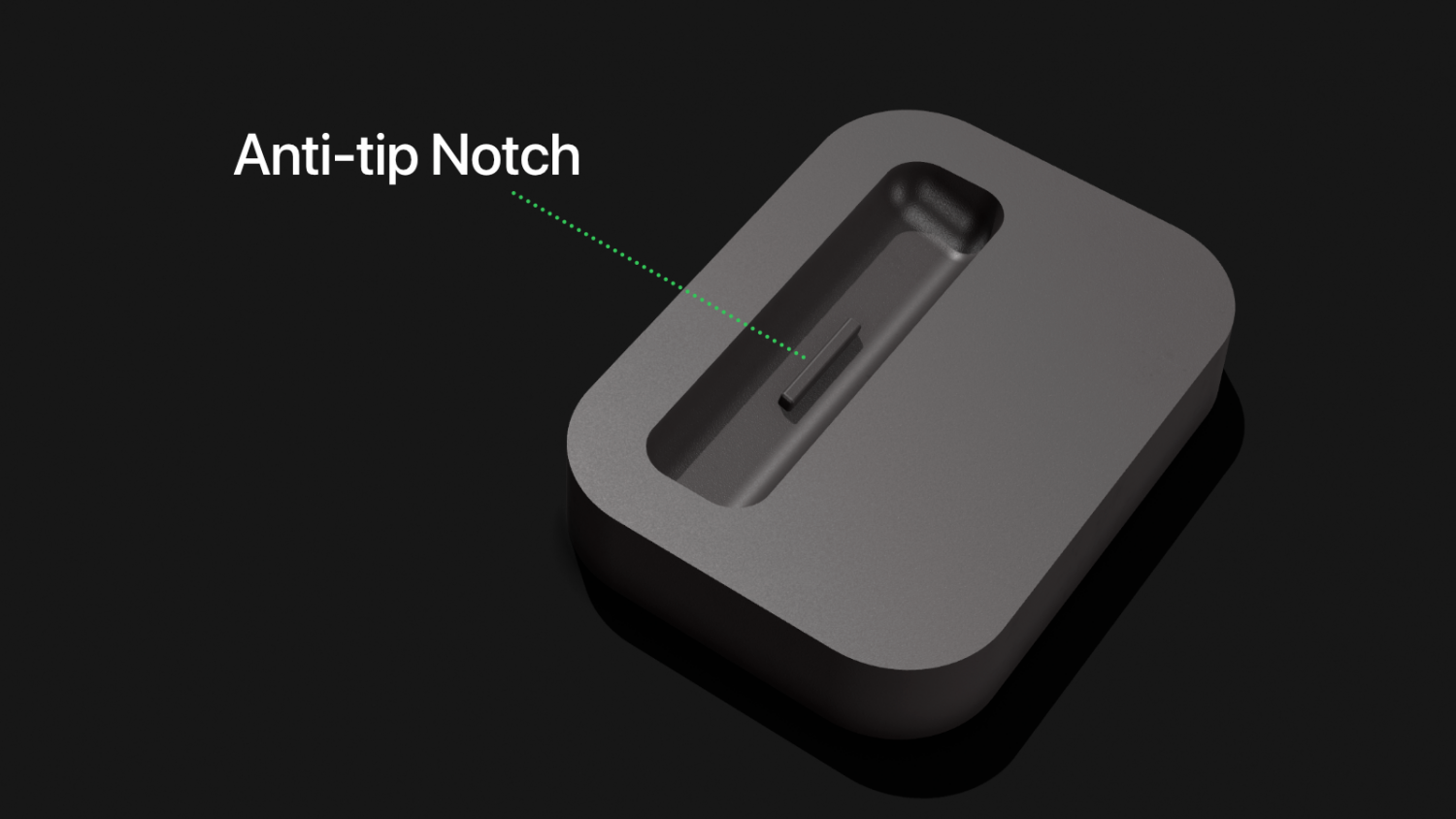
Many vintage iPods spend their lives connected to a pair of wired earbuds. The problem is that a tug on the cable can easily tip it forward.
To help discourage tipping, every Hanalee iPod Stand includes a small notch at the bottom of the cradle. It gently engages the edge of the 30-pin port and provides just enough resistance to help keep the iPod upright.
It’s not a lock, and it won’t prevent every tip-over. But in everyday use, it’s one of those small details that makes the stand feel a little more secure.
RECOMMENDED PRODUCT
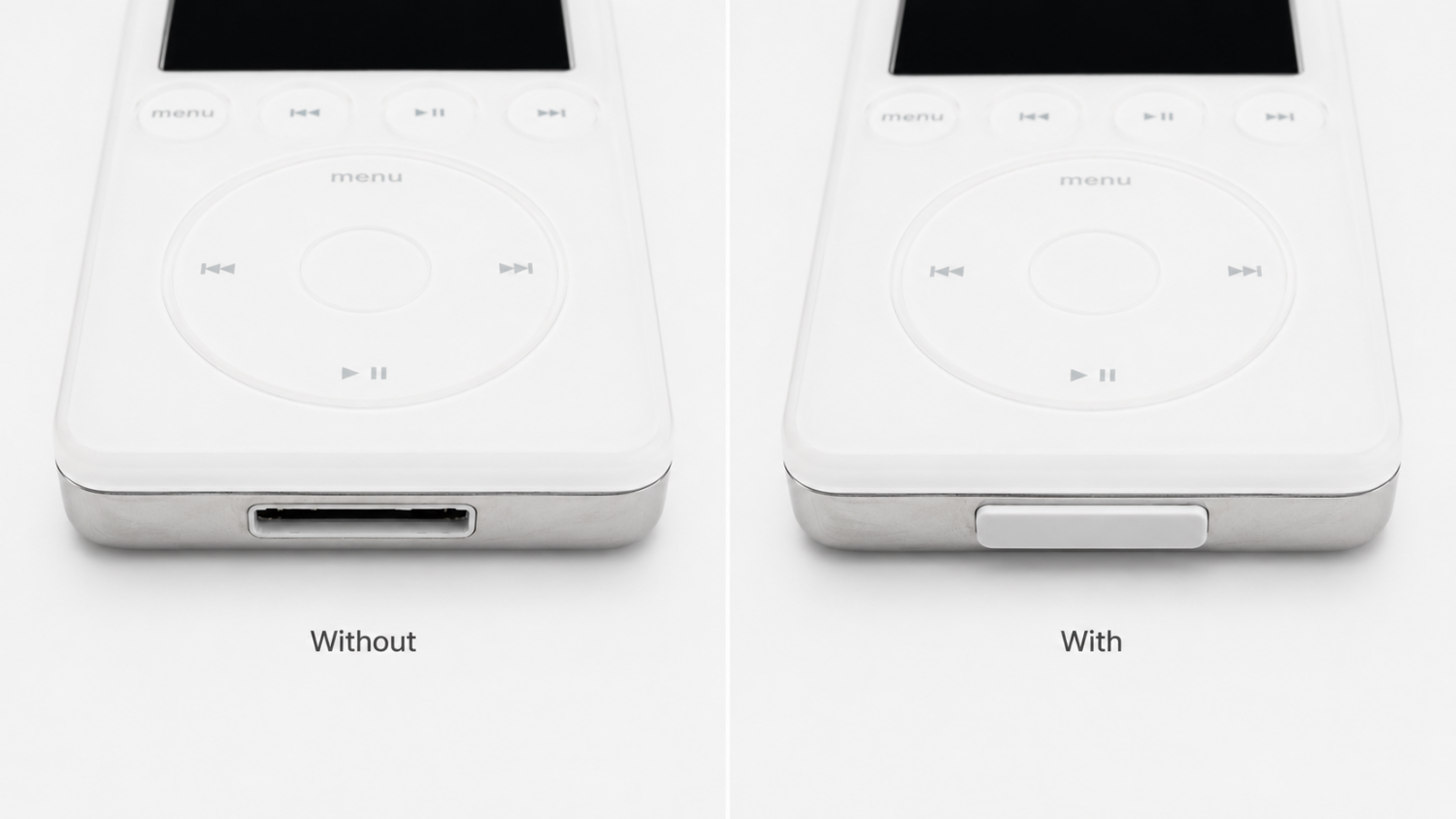
Early iPods originally shipped with a small dock plug that protected the 30-pin connector when not in use. Over the years, most were lost, leaving an otherwise complete iPod feeling just a little underdressed.
After studying original examples and going through eight design revisions, I created a replacement that closely matches Apple’s original design. The goal wasn’t just to keep dust and lint out—it was to restore a small detail many iPods have been missing for years.
Sometimes the smallest parts are the ones you notice most.
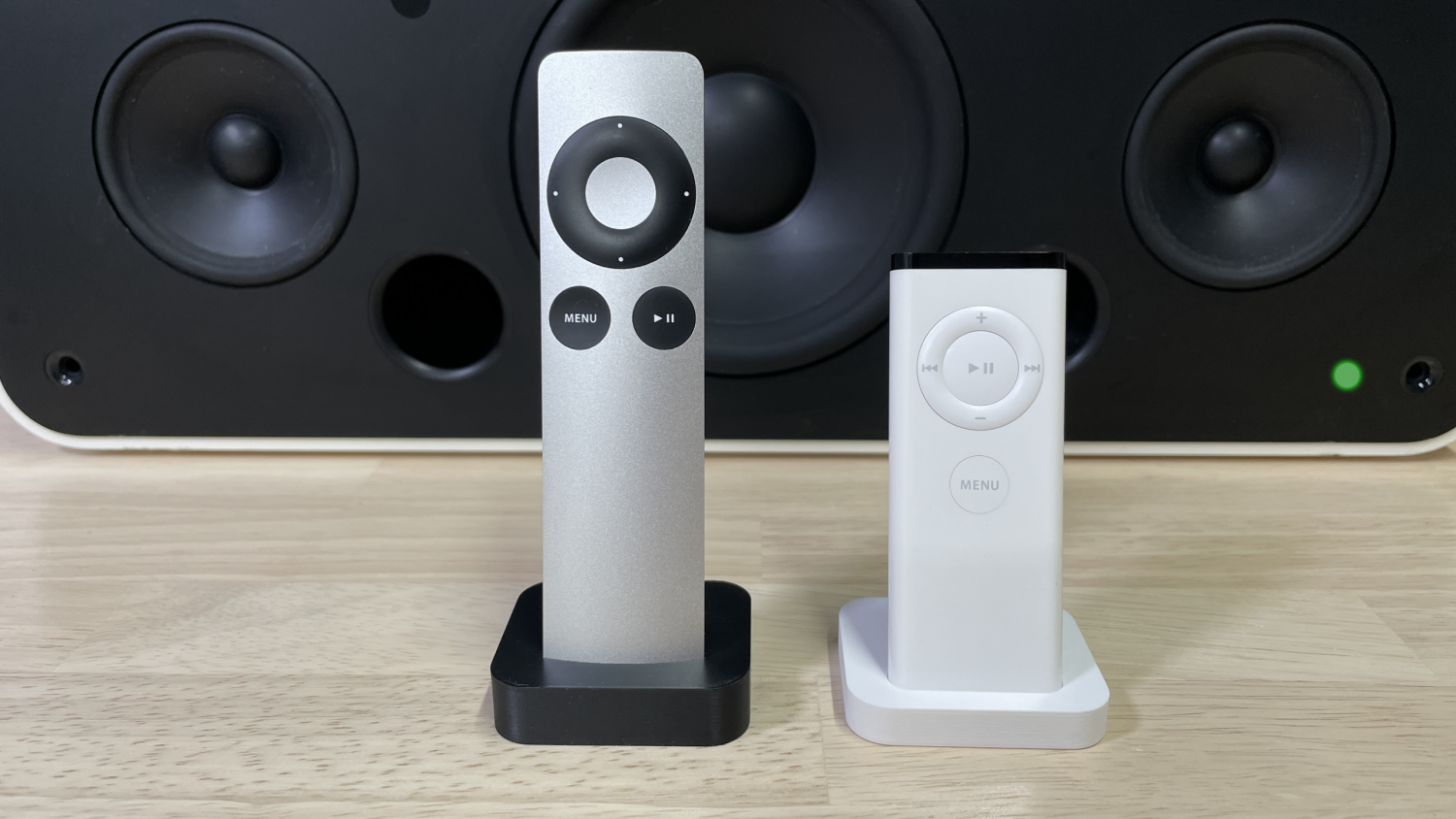
COLECTOR NOTE
Apple’s original white remote debuted in 2005 alongside the Apple Hi-Fi, early Macs, and other Apple accessories. A slimmer aluminum version followed in 2009. Despite being nearly two decades old, these minimalist remotes remain reliable, collectible, and surprisingly affordable.
For iPod enthusiasts, a compatible dock with an infrared (IR) receiver allows music to be controlled from across the room. While the remote can’t navigate iPod menus, it’s perfect for everyday listening. If you own an Apple Hi-Fi, you’ll even see the green status light illuminate with each button press.
FAQs
Each stand is 3D printed from PLA, a durable bioplastic derived from renewable plant-based materials. PLA offers excellent rigidity and surface finish, making it a great choice for displaying and supporting vintage iPods while remaining lightweight and environmentally conscious.
Many iPods spend their lives tucked away in a drawer. A stand gives your iPod a dedicated place on a desk, shelf, or bedside table where it can be appreciated and enjoyed. It also helps keep your iPod accessible without resting on its polished back or making unnecessary trips in and out of a dock or charging cable.
While many iPods look similar, their dimensions, thicknesses, corner radii, and click wheel locations vary between generations. Each Hanalee stand is designed specifically for the model it supports to ensure a precise fit and proper viewing angle.